
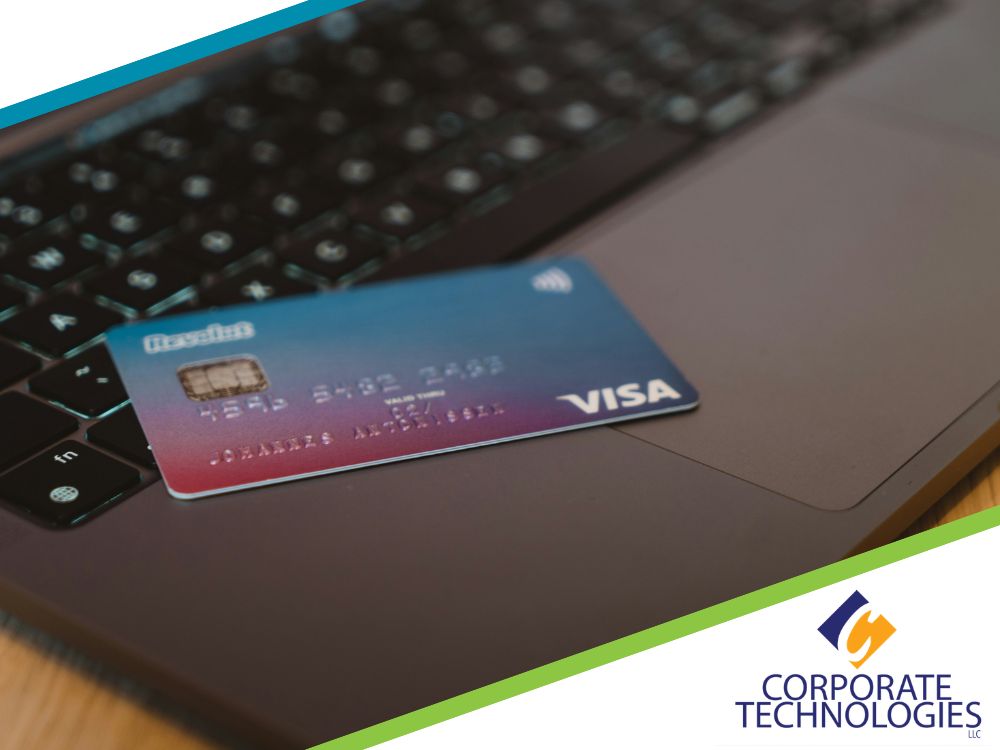
Photo by CardMapr.nl on Unsplash
Protecting Donors’ Personal Information in your Nonprofit Organization
Your donors are the lifeblood of your nonprofit, but have you thought about the protections you have (or don’t have) in place to safeguard their personal and financial data?
IBM’s Cost of a Data Breach 2026 shares that personally identifiable information (PII) was the biggest target for attackers over the last year, representing 52% of the data stolen or compromised. Your donors’ tax identification, contact information and financial data are all forms of PII and are at risk if you don’t properly protect it.
Falling victim to a data breach can seriously harm your nonprofit’s reputation and affect donations going forward. IBM’s report also shared that threatening reputational harm was the top tactic for attackers using ransomware — 41% of ransomware attacks involved threats of public shaming or leaking data to the media.
Get your systems and data in order
Your donors have to feel safe in trusting you with their data, so it’s important to do everything you can to protect it. The Association of Fundraising Professionals recommends:
- Encrypted self-service payment: Work with an encrypted payment system vendor to take donations and never ask donors to email or text you sensitive financial data like credit card numbers or bank account information. Bad actors aided by AI can easily find and exploit this information if they gain access to your systems.
- Encrypted recurring payments: Your team should not store credit card numbers or PINs in your systems. This practice means noncompliance with the Payment Card Industry Data Security Standard (PCI DSS). Any business or organization that takes credit or debit cards has to comply with this security standard, or you risk fines, penalties and lawsuits — and, again, reputational damage.
- Strong data hygiene: This term might sound intimidating, but it really just means making sure the data you have about your donors — like addresses, phone numbers, emails, donation history and more — is complete and easy to use. That means deduplicating records and making sure unnecessary data is properly disposed of. Clean data is easier to use to create meaningful campaigns and build stronger strategies.
All three of these recommendations are easier to execute when you work with trusted vendors to make them happen. Seek out payment and CRM vendors that are already compliant with modern security standards to safeguard your donors’ information.
But that doesn’t mean you can ignore PCI compliance on your end. Compliance also requires you to have security measures like multifactor authentication and strong passwords in place for your systems. Working with a managed services provider will help you stay on top of all the PCI requirements and protect your nonprofit organization.
Choose Corporate Technologies to keep your nonprofit donor information secure
Stay focused on your organization’s important mission and let Corporate Technologies’ Kansas City team take care of the tech stuff. We work with you to understand your challenges and find cost-effective ways to use technology to solve them. If you’re concerned about donor data security, reach out to us and we’ll figure it out together.